Darya Aslanyan
I regret about my homeland
EDITION
school
The School of Modern Photography Docdocdoc, Russia
links
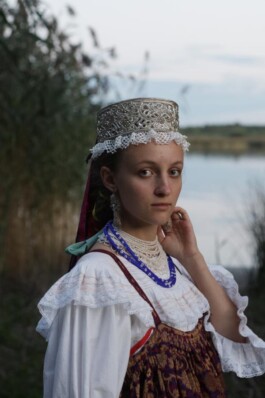
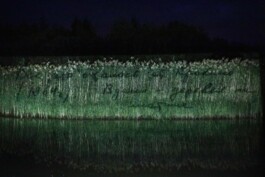
From 1940 to 1964, the Soviet government in the USSR carried out an ambitious project — the construction of the Volga-Baltic Canal, which was supposed to connect the ports of the five seas: new channels were laid, riverbeds were changed, powerful power plants were built, towns and villages were destroyed and flooded. A total of 218 settlements were destroyed, including the small town of Krokhino.
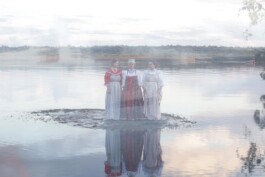
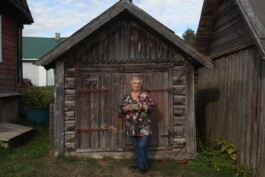
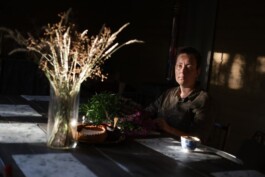
From 1963 to 1964, the inhabitants of this city had to move from their native places. Houses were dismantled and transported or burned, gardens were cut down. People dug up coffins with the remains of their loved ones and transported them to new places. It was a great collective trauma, but the repressive government taught people to simply follow orders in silence, rather than defend their right to their homeland and preserve historical memory. By chance, only the Church of the Nativity of Christ survived, which remained standing in the water for many years, collapsing from waves and ice. It was decided to place a lighthouse under its dome, which shone on passing ships so that they would not run aground, but after a few years the lighthouse was closed.
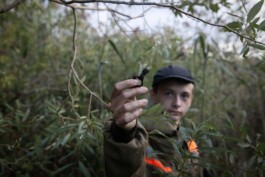
In 1991, Anor Tukayeva, a student from Moscow, decided to preserve the ruins of this temple as a memorial to all flooded towns and villages. First, she and volunteers manually built an island around the temple, then created a foundation, raised money, and was able to preserve the temple and turn on the lights again. The descendants of the immigrants, who had been silent about their trauma for many years, looking at the work of Anor, also finally began to talk about their pain of losing their Homeland.
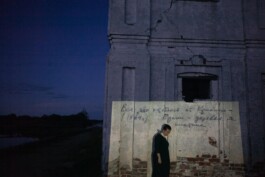
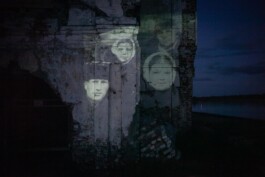
On the back of one of the archival photographs of migrants from Krokhino, we found the inscription: “I found it in the cards and cried. I feel sorry for my homeland.” Anor, like many other people in Russia, understands that it is necessary to talk about the violence that the totalitarian regime brings.Collective injuries, like collective mistakes, need to be recognized in order to cope with feelings of regret for the motherland.


Darya Aslanyan
I regret about my homeland
EDITION
school
The School of Modern Photography Docdocdoc, Russia
links
From 1940 to 1964, the Soviet government in the USSR carried out an ambitious project — the construction of the Volga-Baltic Canal, which was supposed to connect the ports of the five seas: new channels were laid, riverbeds were changed, powerful power plants were built, towns and villages were destroyed and flooded. A total of 218 settlements were destroyed, including the small town of Krokhino.
From 1963 to 1964, the inhabitants of this city had to move from their native places. Houses were dismantled and transported or burned, gardens were cut down. People dug up coffins with the remains of their loved ones and transported them to new places. It was a great collective trauma, but the repressive government taught people to simply follow orders in silence, rather than defend their right to their homeland and preserve historical memory. By chance, only the Church of the Nativity of Christ survived, which remained standing in the water for many years, collapsing from waves and ice. It was decided to place a lighthouse under its dome, which shone on passing ships so that they would not run aground, but after a few years the lighthouse was closed.
In 1991, Anor Tukayeva, a student from Moscow, decided to preserve the ruins of this temple as a memorial to all flooded towns and villages. First, she and volunteers manually built an island around the temple, then created a foundation, raised money, and was able to preserve the temple and turn on the lights again. The descendants of the immigrants, who had been silent about their trauma for many years, looking at the work of Anor, also finally began to talk about their pain of losing their Homeland.
On the back of one of the archival photographs of migrants from Krokhino, we found the inscription: “I found it in the cards and cried. I feel sorry for my homeland.” Anor, like many other people in Russia, understands that it is necessary to talk about the violence that the totalitarian regime brings.Collective injuries, like collective mistakes, need to be recognized in order to cope with feelings of regret for the motherland.
BLURRING THE LINES
FOSTERING TALENT AND NETWORKING IN VISUAL CULTURE
Program Leader
Partners


BLURRING THE LINES
FOSTERING TALENT AND NETWORKING IN VISUAL CULTURE
Program Leader
Partners